
Loans
Vending machine loans in Australia
What a vending machine loan is, how secured and unsecured options differ, what lenders assess, and how to size the borrowing so the site can carry it.
The short answer
A vending machine loan is business borrowing used to buy vending equipment. Secured loans use the machine as collateral and are generally priced better; unsecured loans are faster and need no collateral but usually cost more. Terms typically run two to five years with weekly or monthly repayments.
Primary citations
When operators talk about a vending machine loan they usually mean one of two things: a secured equipment loan where the machine itself backs the borrowing, or an unsecured business loan used to buy the machine. The difference affects price, speed and what happens if things go wrong. This article covers both, along with how to size the loan so your site can actually service it.

Secured versus unsecured
A secured vending machine loan is backed by the equipment, registered on the PPSR, and generally priced lower. An unsecured loan is assessed on the business's cash flow alone, settles faster, and is generally priced higher to reflect the additional risk.
Security reduces a lender's risk, and reduced risk shows up in pricing. That is why a secured equipment loan against an identifiable machine typically compares favourably to an unsecured facility of the same size. The trade-off is process: the asset has to be identified, invoiced and registered, which adds steps.
Unsecured lending has its place — particularly for smaller amounts, for used equipment that a lender will not take security over, or where speed genuinely matters more than price. Just go in knowing you are paying for that convenience.
How much you can borrow, and over how long
Loan size is generally driven by the equipment cost and the business's demonstrated capacity to repay. Terms of two to five years are common, with longer terms lowering the periodic payment and increasing the total cost.
The equipment cost sets the ceiling for a secured loan; the business's capacity sets the practical limit. A single snack and drink combo is a modest facility, a fleet rollout across several sites is a different conversation and will attract more scrutiny.
On term length, match it to the useful life of the machine and to how quickly you want the asset free and clear. A five-year term on a used machine that may need replacing in four is a mismatch worth avoiding.
| Secured equipment loan | Unsecured business loan | |
|---|---|---|
| Collateral | The machine | None |
| Typical pricing | Lower | Higher |
| Speed | Slower — asset checks | Faster |
| Asset registered on PPSR | Yes | No |
| Common use | New or dealer equipment | Small amounts, older used gear |
Indicative structural comparison — not an offer, and pricing varies by lender.
What lenders assess
Lenders assess time in business and GST registration, director credit history, the size of the request relative to the business, and — for secured lending — the asset itself.
None of this is mysterious, and all of it can be prepared for. Know your ABN registration date and GST status. Know what is on your credit file before the lender does. Have the equipment quote ready. Where the request is large relative to a young business, be ready to explain the site and the expected takings, because that is the gap the lender is trying to price.
If your file is thin, remember that a declined application leaves a footprint. It is better to apply once through the right channel than three times through the wrong ones, which is the main practical argument for going through a referral service that knows which providers write which business.
Sizing the loan against the site
Convert the repayment into required daily vends: weekly repayment divided by gross margin per vend, divided by seven. Compare that against realistic average traffic, not peak-day traffic.
A loan is only as sensible as the revenue behind it. Run the coverage calculation before you borrow, and run it on conservative numbers. If the site clears the requirement with room to spare, the loan is doing its job — converting a lump of capital into an asset that pays for itself.
Where the coverage is tight, the answer is usually a cheaper machine or a longer term rather than a different lender. Where it does not work at all, the honest answer is that the site is wrong, and no financing structure fixes that.
Alternatives worth comparing
Before settling on a loan, compare it against the rental structures, especially if the business is young. A rental or rent-to-own agreement will often approve where a loan will not, and the entry cost is lower. Conversely, if you qualify for a loan and plan to keep the machine, the loan usually wins on total cost.
Model both. The finance calculator handles the loan side, the rent-to-own calculator handles the rental side, and the comparison takes about five minutes.
Frequently asked questions
Can I get a vending machine loan with bad credit?
Some providers consider applicants with credit issues, typically on different terms and often with security. Disclose it at the start so the application goes to a provider who considers that profile.
Are vending machine loans available to sole traders?
Yes, equipment finance is commonly written for sole traders as well as companies, though the assessment still looks at trading history and personal credit.
Do I need to have a site before applying?
Not always required, but having a confirmed location strengthens the application because it explains where the repayments come from.
Prefer to rent first?
If a traditional loan is not the right fit yet, rent to own keeps the machine working while you build a trading history:
Lender panel
Lenders across our referral network
Banks, non-banks and specialist equipment financiers active in Australian business lending. We match your application to lenders who may fit your situation.
Logos are the property of their respective owners and are shown for identification only. VendingFinance is a referral service, not a lender or broker. Inclusion here is not an endorsement, an offer of credit, or a guarantee of approval — each lender sets its own criteria.
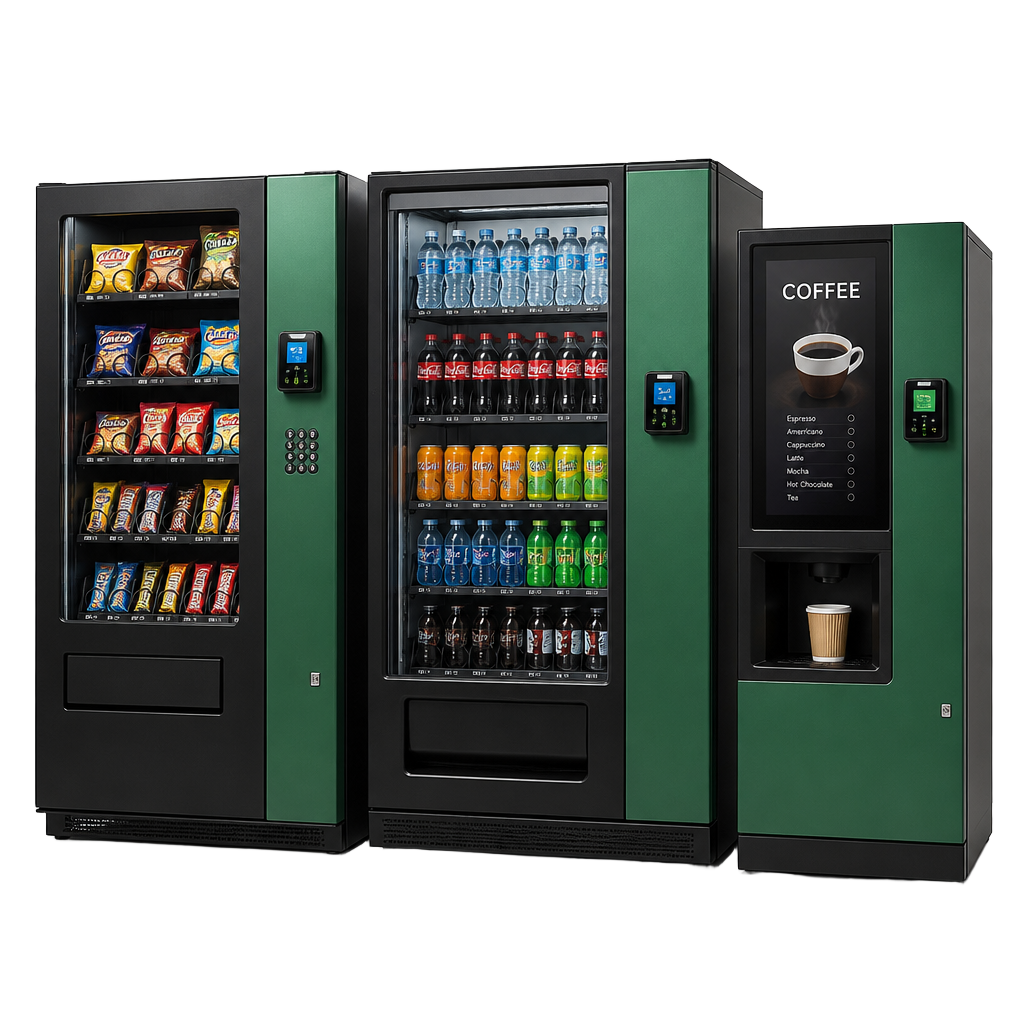
Secure yourRent to Own
Get vending machines on the road now and own them at the end of the term. New and established operators, Australia-wide — no financials required in many cases.
0% down options
Instant approval for qualified fleets
Ready to price your machine?
Tell us the equipment and your situation once. We match you to lenders who may fit — it takes about five minutes and there's no obligation.
Keep reading
Who wrote and checked this page
David Barnes
Founder, Vending Finance
Has worked with Australian vending operators and equipment funders for years, matching operators to lenders who fit their situation. Writes and checks every guide on this site against the regulator, ATO and ABS pages cited below.
- Every figure is either an indicative market range we label as such, or traceable to a primary source listed below. We are a referral service, not a lender or broker, and we never give tax advice.
- Sources and figures on this page last checked August 2026. Spotted something out of date? Call 0412 025 552.
Sources & further reading
Every figure and rule on this page can be checked against a primary source. Links open the publisher's own page so you can verify it yourself.
- Australian Financial Security Authority — Personal Property Securities Register
Checking whether second-hand equipment or a vending route carries an existing security interest. Checked August 2026.
- ASIC Moneysmart — Moneysmart
Independent guidance on comparing loans and understanding total cost. Checked August 2026.
- Reserve Bank of Australia — Interest rates statistics
The published lending rate environment our indicative ranges sit against. Checked August 2026.
- ASIC — Credit licensees
The distinction between regulated consumer credit and commercial lending to businesses. Checked August 2026.
Secure yourRent to Own
Get vending machines on the road now and own them at the end of the term. New and established operators, Australia-wide — no financials required in many cases.
0% down options
Instant approval for qualified fleets