
Article — getting started
Rent-to-own your first vending machine
If you're buying your first machine, rent-to-own is often the gentlest way in: smaller weekly commitment, no big deposit, and the machine can start paying for itself from week one.
Why the first machine is the hardest one
Almost every vending operator we speak to says the same thing about their first machine: the hard part wasn't finding a site, it was finding the money. A single good snack and drink combo can cost several thousand dollars before you've bought a carton of stock, and a lender looking at a brand-new business has no trading history to lean on.
Rent-to-own exists for exactly that gap. Instead of paying the full purchase price up front, you make regular rental payments and have a path to owning the machine at the end of the term. It's a common structure for first-time operators because the entry cost is low and the paperwork is usually lighter than a full asset-finance application.
How rent-to-own works in practice
- You choose the machine — new or used, from a supplier or from an operator selling a site that's already trading.
- A rental agreement is written over a set term with fixed regular payments, typically weekly or monthly.
- You place the machine, stock it, and it starts earning. Payments come out of the takings rather than out of savings.
- At the end of the term there's an agreed way to take ownership of the machine, which is set out in the agreement before you sign.
Where it suits a first machine
- No large deposit. Your cash stays available for stock, a card reader and a float rather than being locked into the asset.
- Lighter documentation. In many cases no financials are required, which matters when the business is only weeks old.
- Cash-flow matched. A machine on a decent site generates takings every week, and the payment is designed to sit under that.
- Room to test a site. If your first location is a trial, a shorter rental term is a lower-risk way to find out before you commit to buying outright.
- Easier to add the second machine. Six months of clean payment history on a rental is real evidence for the next application.
What to check before you sign
- The full term, the payment amount, and the total of all payments over the term.
- Exactly how ownership transfers at the end, and what that final step costs.
- Who is responsible for servicing, parts and breakdowns during the term.
- Whether you can pay it out early, and what that looks like if you do.
- How the numbers stack up against a straight equipment loan or chattel mortgage — for some operators outright finance works out better, and we'll tell you when it does.
Rent-to-own and lease structures have different accounting and tax treatment from buying outright. We're not tax advisers — check the treatment for your situation with your accountant before you decide.
Estimate your weekly payment and total cost
Rent-to-own is priced weekly, so the question that matters is simple: what does the machine have to bring in each week to cover it, and what does the whole thing cost by the time you own it? Move the sliders below to see both.
Rent-to-Own vending calculator
Estimate the weekly payment and the total cost of owning a machine through a rent-to-own term.
Rates methodology — why the default is 14% p.a.
Last reviewed August 2026.
- Prime, asset-backed equipment finance (Established SMEs, 2+ years trading, clean financials): high single digits to ~11% p.a.
- Low-doc rental / rent-to-own (New ABN, under 2 years trading, no financials): low-to-high teens p.a. once expressed as a rate
- Used machines, short terms, small amounts (Any profile): higher again — fixed lender costs spread over less money
Rent-to-own is quoted as a weekly rental, not a headline interest rate. The rate slider exists so you can model the cost of that rental as an equivalent annual rate.
The 14% p.a. default sits mid-way through the low-doc / rent-to-own band, which is where most new-ABN vending operators land when their weekly rental is converted to a rate.
Bands are reviewed against current Australian equipment-finance and low-doc rental pricing, plus what our lending panel is actually quoting for vending assets.
Reviewed against: Indicative pricing quoted by lenders on our vending finance panel; Published Australian equipment finance and low-doc rental rate ranges; Keyword and market demand data for rent-to-own vending search terms. Indicative only — not a quote or credit advice.
Estimated weekly payment
$62.87
over 156 weekly payments
- Amount financed
- $8,000
- Total of payments
- $9,808
- Total cost incl. deposit
- $9,808
- Cost of finance
- $1,808
- Sales a day to cover it
- 6 sales
What this estimate assumes
- Term: 36 months, modelled as 156 equal weekly payments in advance.
- Payment frequency: weekly. A monthly-billed agreement on the same figures works out near $272 a month.
- Rate: 14.0% p.a. applied to $8,000 financed, compounded weekly on a reducing balance.
- Deposit: none assumed — the full machine price is financed.
- Fees: no establishment, documentation, account-keeping, insurance or delivery costs are included. Most rent-to-own agreements carry some of these, so the real weekly figure is usually a little higher.
- GST and any end-of-term ownership payment or residual are excluded — those are set out in your agreement.
- Sales cover: assumes $1.50 average profit per sale, 7 trading days a week, and no shortfall weeks.
Indicative only. Real rent-to-own pricing depends on the machine, the term, your trading history and the lender — and the final ownership step is set out in your agreement. This is not a quote or credit advice.
Run the numbers on your site first
Before anything else, work out what the machine has to earn to cover the payment. Our repayment calculator shows the weekly payment and roughly how many sales a day it takes to cover it. If your site's foot traffic clears that comfortably, you have a case a lender will understand.
Where to next
- Lease, rental and rent-to-own compared
- Finance with a new ABN
- Low doc vending finance
- Finance-readiness checklist
Thinking about your first machine?
Tell us the machine and the site and we'll tell you honestly what's achievable — no obligation.
Run your own numbers
Work out a weekly rent-to-own payment and the total cost over the term.
Estimates only, not an offer of finance. Lender criteria apply.
State-by-state guides & checklists
Localised examples, site types and guidance for your state — plus a free two-page checklist PDF you can print or send to your accountant.
Sources & further reading
Every figure and rule on this page can be checked against a primary source. Links open the publisher's own page so you can verify it yourself.
- Australian Taxation Office — GST and hire purchase
How GST is treated on hire purchase and similar equipment finance arrangements. Checked August 2026.
- ASIC Moneysmart — Moneysmart
Independent guidance on comparing loans and understanding total cost. Checked August 2026.
- Australian Business Register — Applying for an ABN
ABN entitlement and how long an ABN has been active. Checked August 2026.
- ACCC — Unfair contract terms
Small business protections when reviewing a finance or site contract. Checked August 2026.
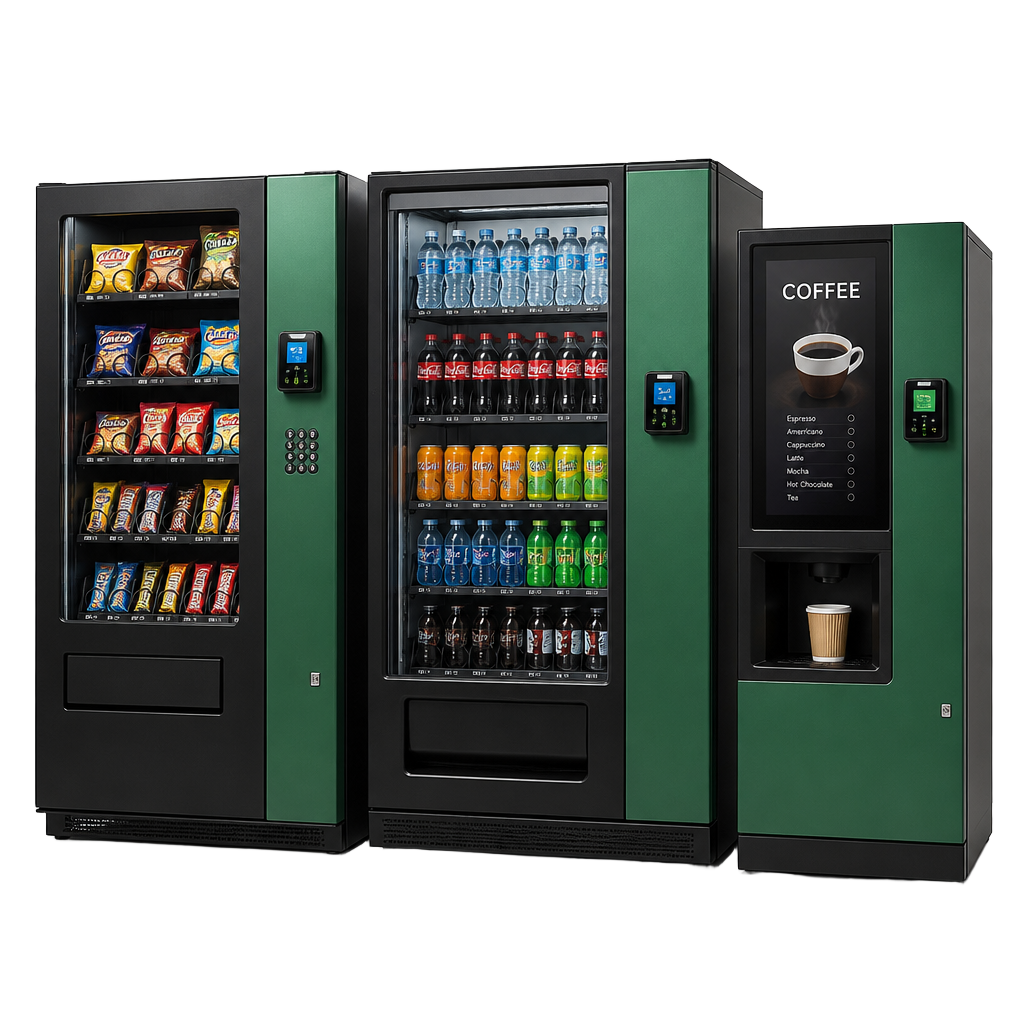
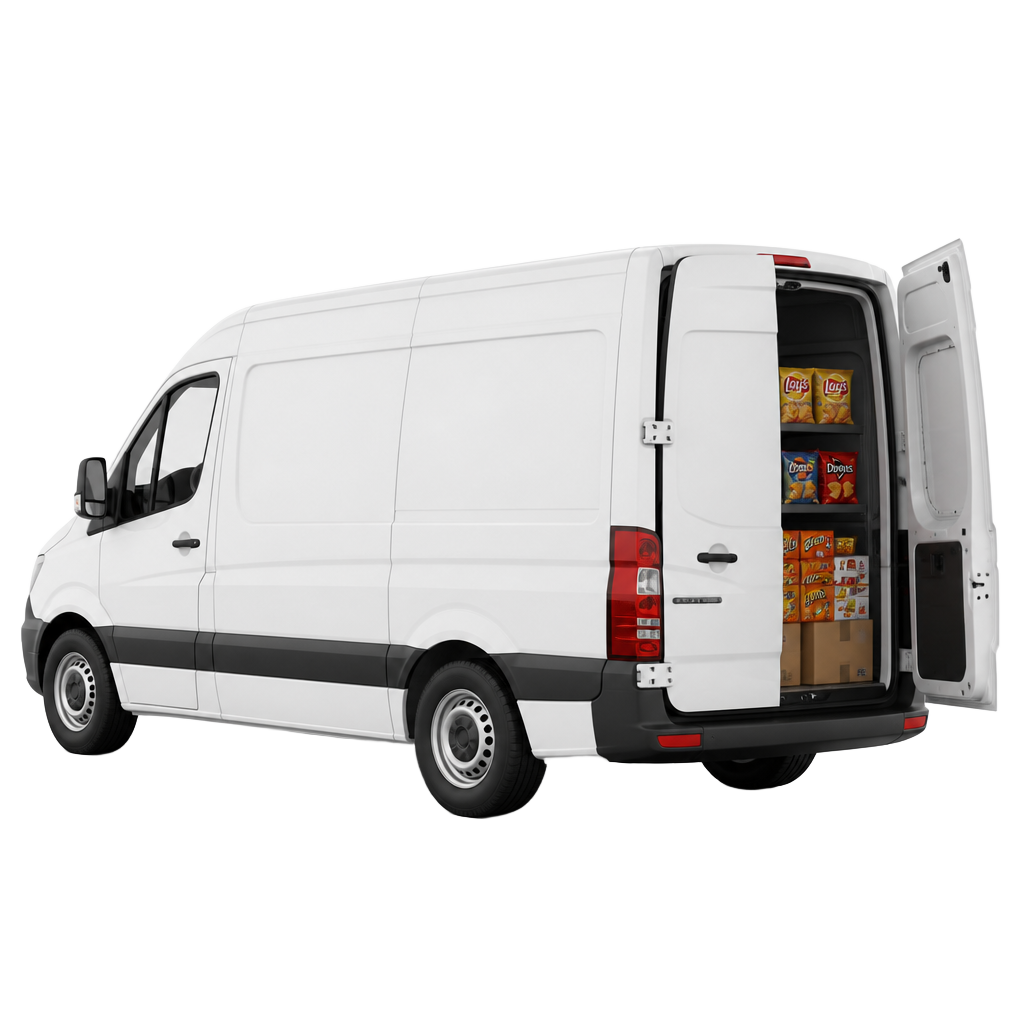
Secure yourRent to Own
Get vending machines on the road now and own them at the end of the term. New and established operators, Australia-wide — no financials required in many cases.
0% down options
Instant approval for qualified fleets