
Step by step
How to finance a vending machine
From picking the machine to settlement day: the order of operations that gets a vending machine funded and trading with the least friction.
The short answer
To finance a vending machine in Australia: confirm the machine and total landed cost, check the site can cover the repayment, choose a structure, gather your ABN, ID and equipment quote, apply, then settle directly with the supplier once approved.
Primary citations
Financing a vending machine is not complicated, but doing it in the wrong order costs time. Operators routinely apply for finance before they have a quote, or commit to a machine before checking whether the site can carry the payment. Here is the sequence that works, with the detail that matters at each step.

Step 1 — Price the whole thing, not just the machine
The amount you need to finance is the machine plus delivery, installation, a card reader, telemetry and an opening stock float. Budget roughly $1,150 to $3,500 per machine on top of the purchase price for these items.
The sticker price is the beginning of the number, not the end of it. Delivery and installation, a cashless payment terminal, telemetry if the machine does not have it built in, and the first fill of stock all have to be paid for before the machine earns anything. Operators who finance only the machine end up funding the rest from cash they were trying to preserve.
Used snack and drink units generally sit in an indicative $1,800 to $5,000 band, new snack, drink and combination units around $6,000 to $16,000, smart fridges and coolers around $8,800 to $15,000, and pizza vending machines from about $25,000. These are indicative market ranges, not quotes.
Step 2 — Test the site against the repayment
Before applying, divide the estimated weekly repayment by your average gross margin per vend. That is the number of sales per week the site must produce to cover the finance. If the site cannot clear it comfortably, change the machine, the term or the site.
This is the check that saves people from bad deals. Everything else in the process is administration; this is the part that determines whether the machine is a business or a liability. Do it with pessimistic traffic assumptions, because the first months of a new site are almost always slower than the pitch suggested.
If the numbers are marginal, your levers are a cheaper machine, a longer term to reduce the weekly payment, or a better site. Financing structure will not rescue a site that does not have the traffic.
Step 3 — Pick the structure that fits your file
Established ABNs with financials generally have access to chattel mortgage and lease options. New ABNs and thin files are usually better served by low-doc or rent-to-own paths.
There is no point applying for a structure your file cannot support — a decline is not free, because credit enquiries show. Be realistic about which lane you are in. If the ABN is a few months old and there are no financials, start where that is normal rather than where it is an obstacle.
Equally, if you have two years of trading and clean books, do not default to a rental just because it was the first thing offered. Compare the total cost of both paths before you choose.
Step 4 — Assemble the file before you apply
Most applications need the ABN and GST details, photo identification for each director, a supplier quote or invoice for the machine, and, for full-doc paths, recent bank statements or financials.
Applications stall on missing documents far more often than they fail on credit. Get the quote from the supplier with the machine model and, if available, the serial number. Have identification current and readable. Know your ABN registration date and GST status rather than guessing.
If you are buying privately from another operator, expect a little more work: the financier will want to identify the asset, confirm there is no existing security registered against it on the PPSR, and pay the seller directly at settlement.
- ABN and GST registration details
- Photo ID for every director or guarantor
- Supplier quote or invoice, with serial number where available
- Site details — where the machine will be placed
- Bank statements or financials, for full-doc applications
Step 5 — Application, approval and settlement
Once approved, the financier issues documents for signing, then pays the supplier directly. The machine is delivered and installed, and repayments begin according to the schedule in the agreement.
After the file is assessed you receive documents setting out the term, the payment, the total payable and any end-of-term step. Read the total, not just the weekly figure, and check what happens if you want to pay it out early.
Settlement is usually financier-to-supplier rather than money passing through your account. Delivery and installation follow, and the first payment is generally taken shortly after the machine is in place. From there the job is operational: keep the machine stocked, keep the site happy and keep the payments clean, because a clean twelve months is the best possible application for machine number two.
Frequently asked questions
Can I finance a vending machine with a brand-new ABN?
It is possible. Rent-to-own and low-doc paths are commonly used by operators with newly registered ABNs, though terms differ from those available to established businesses.
Can I finance the stock as well as the machine?
Stock is generally not financed as part of an equipment agreement. Most operators fund the opening float from working capital, which is one reason low-deposit structures are popular.
What if I want more than one machine?
Multiple machines can be funded together or added over time. Financiers look at total exposure relative to the business, so a track record on the first machine helps the second application.
Prefer to rent first?
If a traditional loan is not the right fit yet, rent to own keeps the machine working while you build a trading history:
Lender panel
Lenders across our referral network
Banks, non-banks and specialist equipment financiers active in Australian business lending. We match your application to lenders who may fit your situation.
Logos are the property of their respective owners and are shown for identification only. VendingFinance is a referral service, not a lender or broker. Inclusion here is not an endorsement, an offer of credit, or a guarantee of approval — each lender sets its own criteria.
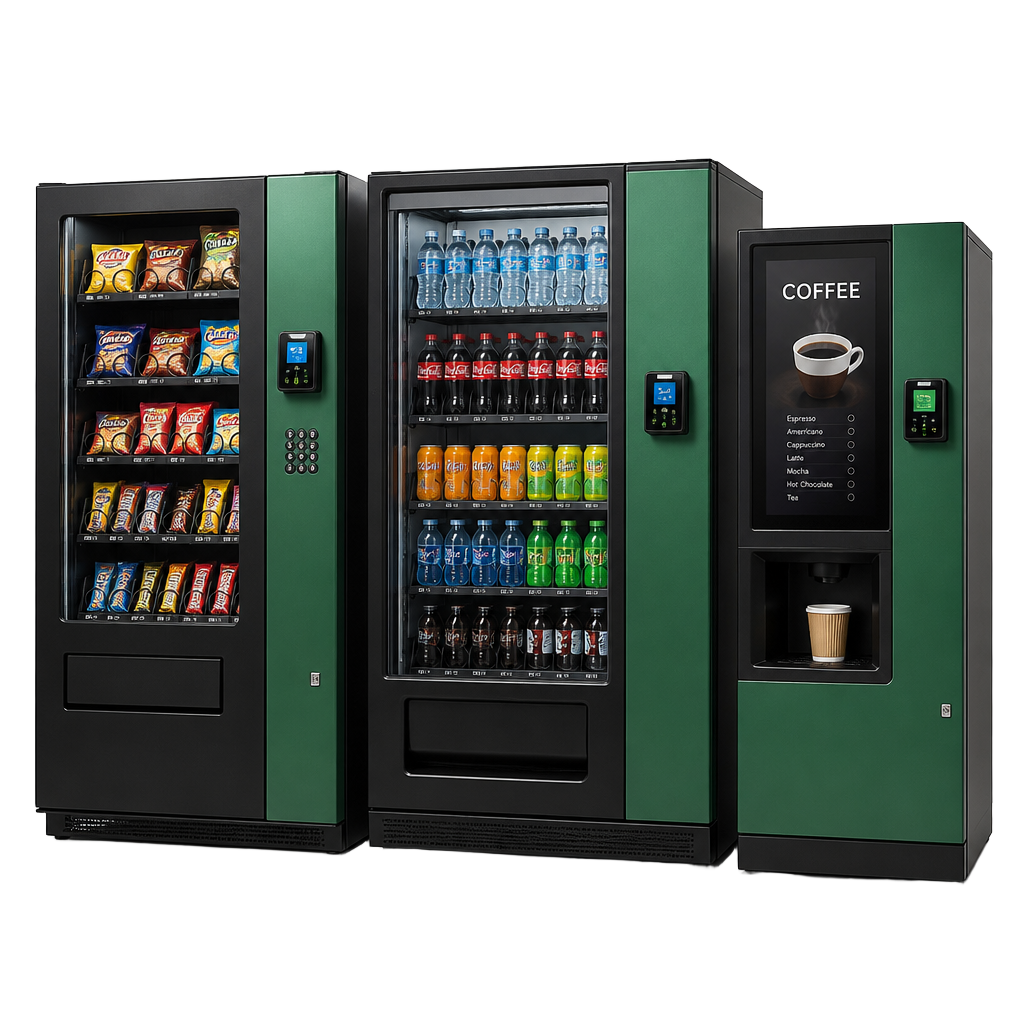
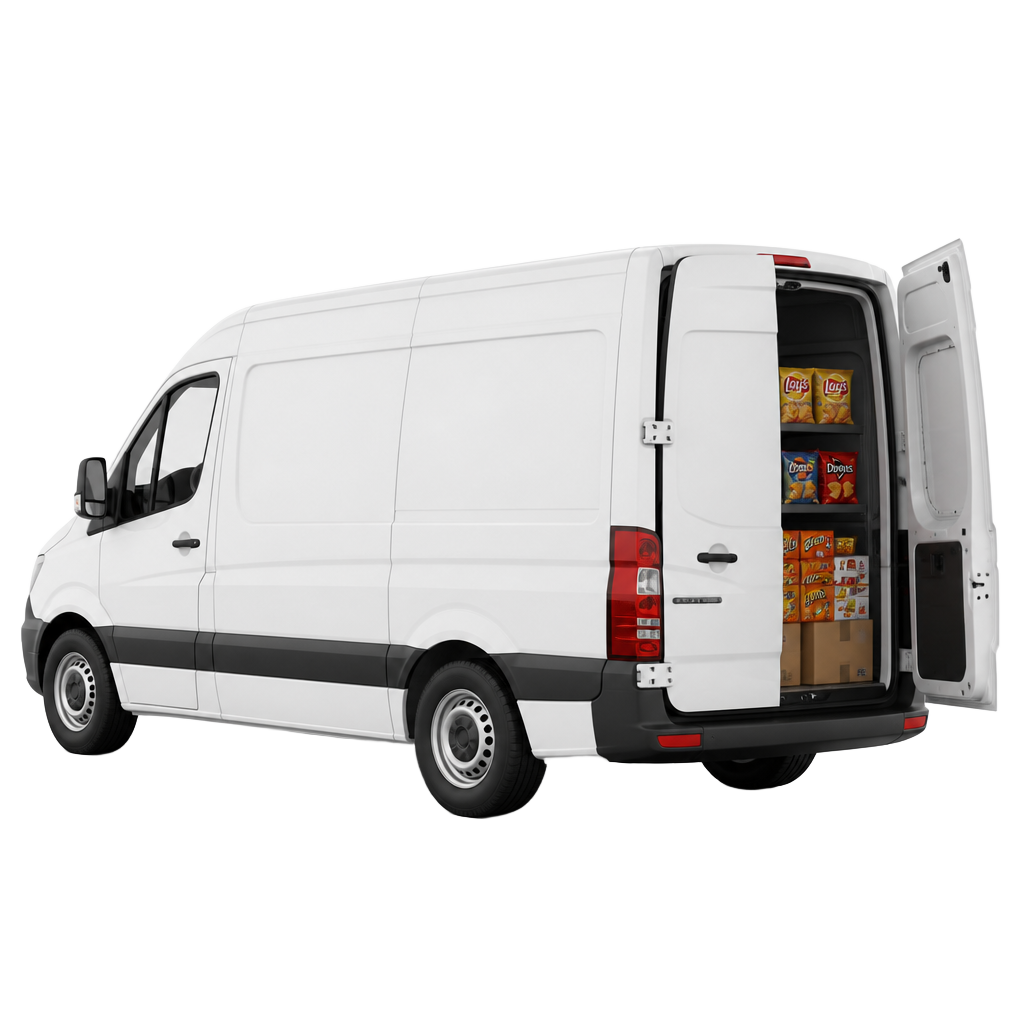
Secure yourRent to Own
Get vending machines on the road now and own them at the end of the term. New and established operators, Australia-wide — no financials required in many cases.
0% down options
Instant approval for qualified fleets
Ready to price your machine?
Tell us the equipment and your situation once. We match you to lenders who may fit — it takes about five minutes and there's no obligation.
Keep reading
Who wrote and checked this page
David Barnes
Founder, Vending Finance
Has worked with Australian vending operators and equipment funders for years, matching operators to lenders who fit their situation. Writes and checks every guide on this site against the regulator, ATO and ABS pages cited below.
- Every figure is either an indicative market range we label as such, or traceable to a primary source listed below. We are a referral service, not a lender or broker, and we never give tax advice.
- Sources and figures on this page last checked August 2026. Spotted something out of date? Call 0412 025 552.
Sources & further reading
Every figure and rule on this page can be checked against a primary source. Links open the publisher's own page so you can verify it yourself.
- Australian Business Register — Applying for an ABN
ABN entitlement and how long an ABN has been active. Checked August 2026.
- Australian Financial Security Authority — Personal Property Securities Register
Checking whether second-hand equipment or a vending route carries an existing security interest. Checked August 2026.
- Australian Taxation Office — GST and hire purchase
How GST is treated on hire purchase and similar equipment finance arrangements. Checked August 2026.
- ASIC Moneysmart — Moneysmart
Independent guidance on comparing loans and understanding total cost. Checked August 2026.
Secure yourRent to Own
Get vending machines on the road now and own them at the end of the term. New and established operators, Australia-wide — no financials required in many cases.
0% down options
Instant approval for qualified fleets