
Equipment finance explained
Low doc equipment finance in Australia
What "low doc" actually means in 2026, what lenders accept in place of full financials, the limits that apply, and how to put yourself in the best position.
The short answer
Low doc equipment finance lets a business fund equipment without providing full financial statements or tax returns. Lenders substitute other evidence — ABN and GST history, bank statements, asset backing and credit conduct — and usually cap the amount and apply a higher rate.
Primary citations
Low doc does not mean no assessment. It means the lender assesses you on a different set of evidence. Plenty of profitable Australian businesses simply cannot hand over two years of finalised financials — the accountant has not lodged yet, the entity is eighteen months old, or the structure changed last year. Low doc exists for exactly those businesses, and in 2026 it is a normal, widely available product rather than a last resort. What you trade for the reduced paperwork is a lower ceiling and a higher rate.

What low doc actually means
Low doc equipment finance means the lender approves without full financial statements, relying instead on ABN and GST registration history, bank statements, credit conduct and often property ownership. It is a change in evidence, not a change in whether you are assessed.
The term gets used loosely, so it is worth being precise. A full doc application typically means two years of financial statements and tax returns for the entity and the directors. A low doc application replaces those with a shorter, lighter evidence set. A "no doc" or self-declaration application goes further again and relies primarily on a signed declaration of capacity to repay plus the lender's own checks.
Because business lending to a company or trading entity is commercial rather than consumer credit, it sits outside the responsible-lending regime that governs personal loans. That does not mean lenders are careless — they still verify what they can — but it is why the evidence set can flex the way it does. ASIC's material on credit licensing sets out the line between the two, and it is linked below.
What lenders accept instead of financials
Common substitutes are 6–12 months of business bank statements, BAS lodgements, an accountant's letter, evidence of property ownership, and a clean credit file for both the entity and the directors.
No single lender wants all of these, and the mix varies by how much you are borrowing and what the asset is. The general principle: the less financial history you provide, the more the lender leans on asset quality and asset backing.
- ABN registered and actively trading, usually for a minimum period — 12 to 24 months is a common threshold.
- GST registration, which for many lenders is the practical proof that revenue is real.
- Six to twelve months of business bank statements showing consistent turnover and no dishonours.
- Recent BAS lodgements as a turnover cross-check.
- An accountant's letter confirming the business can service the proposed repayment.
- Property ownership by a director, which materially widens the lender pool and improves pricing.
- A clean credit file — defaults, judgments and recent arrears are the fastest way to a decline.
The trade-offs, stated plainly
Low doc facilities typically carry a higher rate than full doc, cap the amount financed, and may require a deposit or director's guarantee. The gap narrows for property-owning directors and newer, mainstream assets.
You are asking a lender to price a risk it can see less of, and it prices accordingly. Expect a margin above the equivalent full doc rate, expect a ceiling on the amount, and expect a personal guarantee from the directors in almost every case. None of that is unusual or predatory; it is the cost of speed and simplicity.
Where it becomes a bad deal is when a business takes a low doc facility it did not need. If your financials are finalised and reasonable, ask for a full doc assessment first — the paperwork costs you an afternoon and the rate difference runs for years. The published lending-rate statistics from the RBA are a useful sanity check on whether an offer is in a normal range for secured business lending.
Low doc, no doc and new ABNs are three different things
Low doc reduces the financial evidence required. No doc relies mainly on a declaration plus lender checks. A new ABN application is about trading history rather than paperwork, and is usually the hardest of the three.
A business with three years of trading and a slow accountant is a completely different proposition from a business registered last month. Both may end up in a "low doc" conversation, but only one has a track record to point at. New ABN applicants generally need a stronger compensating factor — property backing, a meaningful deposit, a smaller asset, or a co-applicant with history.
If that is you, the practical path is usually a smaller first facility that establishes conduct, then a larger one later. Rent-to-own can serve the same purpose in industries like vending, because it puts a working asset in front of you while a repayment history builds.
How to put yourself in the best position
Tidy the last six months of bank statements, lodge outstanding BAS, clear small defaults, get a written supplier quote, and know your deposit before you apply. Applying to many lenders at once damages your credit file.
Most declines we see are avoidable and have nothing to do with whether the business is any good. They come from a messy application: unlodged BAS, dishonours in the statement period, no written quote for the asset, or a scattergun of applications that leaves a trail of enquiries on the credit file.
- Bring the last six months of bank statements to a state you are happy for a lender to read.
- Lodge any outstanding BAS before you apply, not after.
- Pull your own credit file and deal with small defaults — many are stale and disputable.
- Get a written, itemised quote from the supplier, including installation and any technology.
- Decide your deposit before you apply; it changes which lenders will look at you.
- Apply through one process rather than shopping your file across many lenders directly.
Applying this to vending equipment
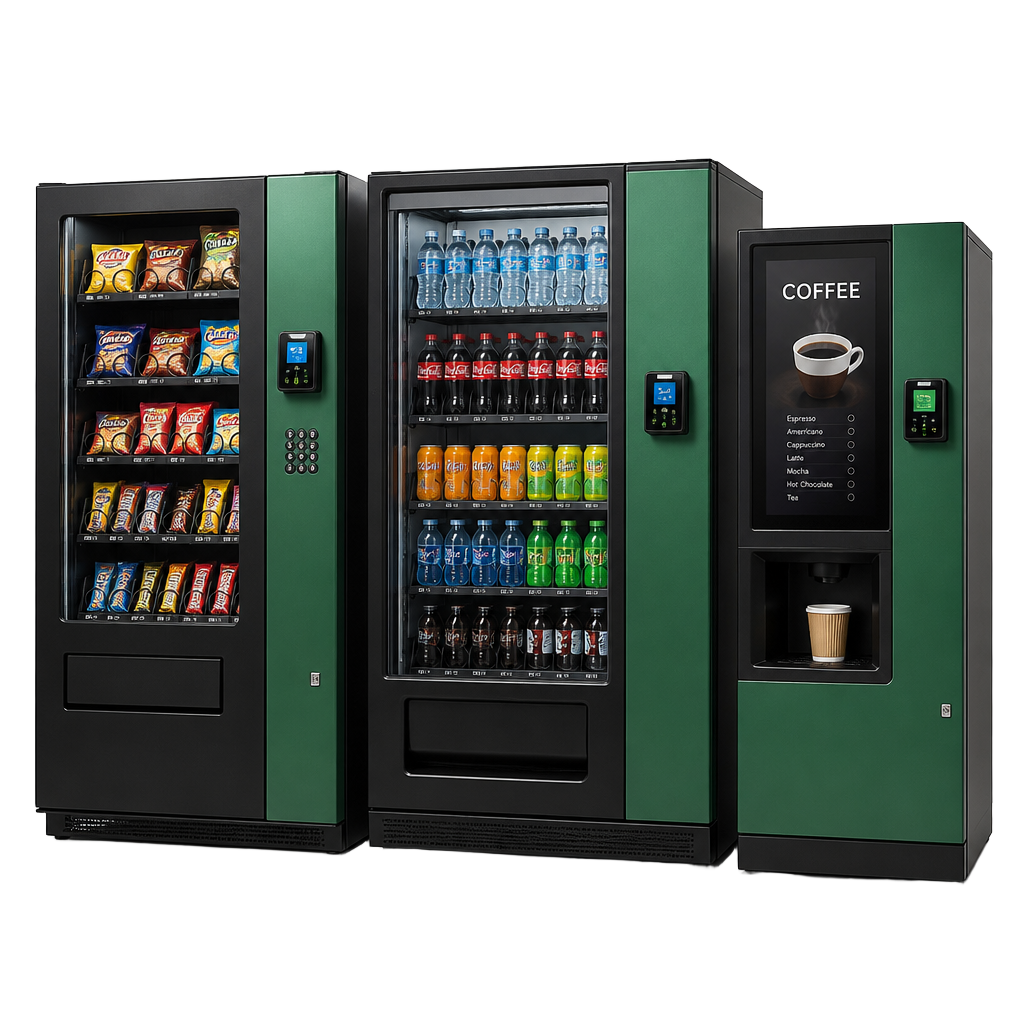
Low doc suits vending operators expanding a route faster than their accountant can finalise financials. Machines are mainstream, valuable, recoverable assets, which helps — but very old second-hand equipment narrows the lender pool.
Vending equipment sits in a helpful category for low doc assessment: it is standard, it holds resale value, and there is an active second-hand market, so a lender can see how it would recover the asset. That works in your favour.
Where it gets harder is at the cheap end. A $2,000 refurbished snack machine is often below the minimum facility size lenders will write, and its age can put it outside asset criteria altogether. Operators in that position usually finance a package of machines together, add the cashless and installation costs into the same facility, or use rent-to-own for the first units. Our finance calculator will show you what any of those amounts looks like weekly before you commit to anything.
Frequently asked questions
What does low doc equipment finance mean?
It means the lender approves the facility without full financial statements and tax returns, relying instead on evidence like ABN and GST history, bank statements, credit conduct and asset backing. The assessment still happens; the paperwork is lighter.
How much can I borrow on a low doc basis?
Limits vary by lender and by whether a director owns property. Non-property-backed low doc facilities are commonly capped well below full doc limits, and the ceiling rises considerably where there is property behind the application.
Is low doc finance more expensive?
Generally yes. Reduced verification is priced as additional risk, so expect a margin above the comparable full doc rate. The difference narrows with property backing, a deposit, and a newer mainstream asset.
Can a business with a new ABN get low doc equipment finance?
Sometimes, but it is the hardest version of the application. Most lenders want to see the ABN actively trading for a period first. A deposit, property backing or a smaller asset improves the odds considerably.
Will a low doc application affect my credit score?
Each lender enquiry is recorded on your credit file, and a cluster of enquiries in a short period reads badly. That is the main argument for applying once through a single process rather than approaching lenders individually.
Do I need to be registered for GST?
Not universally, but many low doc lenders treat GST registration as a proxy for genuine trading turnover, so being registered widens the options available to you.
Prefer to rent first?
If a traditional loan is not the right fit yet, rent to own keeps the machine working while you build a trading history:
Lender panel
Lenders across our referral network
Banks, non-banks and specialist equipment financiers active in Australian business lending. We match your application to lenders who may fit your situation.
Logos are the property of their respective owners and are shown for identification only. VendingFinance is a referral service, not a lender or broker. Inclusion here is not an endorsement, an offer of credit, or a guarantee of approval — each lender sets its own criteria.
Ready to price your machine?
Tell us the equipment and your situation once. We match you to lenders who may fit — it takes about five minutes and there's no obligation.
Keep reading
Who wrote and checked this page
David Barnes
Founder, Vending Finance
Has worked with Australian vending operators and equipment funders for years, matching operators to lenders who fit their situation. Writes and checks every guide on this site against the regulator, ATO and ABS pages cited below.
- Every figure is either an indicative market range we label as such, or traceable to a primary source listed below. We are a referral service, not a lender or broker, and we never give tax advice.
- Sources and figures on this page last checked August 2026. Spotted something out of date? Call 0412 025 552.
Sources & further reading
Every figure and rule on this page can be checked against a primary source. Links open the publisher's own page so you can verify it yourself.
- ASIC — Credit licensees
The distinction between regulated consumer credit and commercial lending to businesses. Checked August 2026.
- Australian Business Register — Applying for an ABN
ABN entitlement and how long an ABN has been active. Checked August 2026.
- ASIC — Registering a business name
Business name registration requirements for new operators. Checked August 2026.
- ASIC Moneysmart — Moneysmart
Independent guidance on comparing loans and understanding total cost. Checked August 2026.
- Reserve Bank of Australia — Interest rates statistics
The published lending rate environment our indicative ranges sit against. Checked August 2026.
- business.gov.au — Funding your business
Government guidance on the main business funding options. Checked August 2026.
- ACCC — Unfair contract terms
Small business protections when reviewing a finance or site contract. Checked August 2026.
Secure yourRent to Own
Get vending machines on the road now and own them at the end of the term. New and established operators, Australia-wide — no financials required in many cases.
0% down options
Instant approval for qualified fleets