
Growth
Financing a vending machine business
Funding does not stop at the first machine. How operators finance machine one, machine two and a fleet — and the cash-flow discipline that keeps expansion from going backwards.
The short answer
Most Australian vending businesses fund the first machine through a rent-to-own or low-doc arrangement, then move to secured equipment finance once there is twelve months of trading history and clean repayment conduct. Expansion is limited by cash flow and site quality far more than by access to finance.
Primary citations
A vending business grows in steps, and each step has its own funding problem. Machine one is about getting approved at all. Machine two is about proving conduct. A fleet is about managing cash across many small assets at once. This article walks through all three, with the numbers that tell you whether you are ready for the next step or about to over-extend.

Stage one — the first machine
The first machine is a credit problem, not a cash-flow problem. With no trading history, most operators use rent-to-own or low-doc structures where documentation is lighter and the entry cost is minimal.
Nobody has financials for a business that started last month, so the structures that require them are effectively closed. That is not a barrier so much as a signpost: start where new businesses are normally funded, service the agreement perfectly, and the doors that were closed open within a year.
The other discipline at this stage is keeping cash for the things that make the machine earn — stock, a cashless reader, a float, and enough buffer to survive a slow first month. An operator who spends every dollar on the deposit and has nothing left for stock has bought an ornament.
Stage two — the second and third machines
By the second machine you have something to show: months of clean payments and real takings data. That evidence is what moves you from rental structures into secured equipment finance at better pricing.
Keep records from day one, because they become the application. Weekly takings per site, restock frequency, gross margin per vend and payment conduct on the first agreement are exactly what an assessor wants to see, and very few small operators can produce them.
This is also the point where site quality starts to matter more than machine price. A cheap machine on a poor site is a slow leak; a well-priced machine on a busy site funds the next one. Be more selective about locations than about equipment.
- Twelve months of clean payment conduct on the first agreement
- Weekly takings records per site
- GST registration and lodgements up to date
- A confirmed site for the new machine
Stage three — funding a fleet
Fleet funding shifts the assessment from a single asset to total exposure across the business. Lenders look at aggregate repayments against aggregate takings, and cash-flow timing becomes the binding constraint.
Once you are running several machines, the individual agreement matters less than the sum of them. Add every repayment together, add stock purchasing, add fuel and time for the route, and compare that against total weekly takings. The gap is your real margin, and it is smaller than most operators expect at this stage.
The failure mode at fleet scale is not a declined application, it is committing to machine seven while machines four and five are still finding their traffic. Give each new site a few months to prove itself before adding the next commitment.
The numbers to watch as you grow
Track gross margin per vend, weekly takings per site, total finance commitments as a share of takings, and the number of daily vends required across the fleet to cover all repayments.
These four figures tell you everything about whether the business is compounding or treading water. Gross margin per vend tells you whether your pricing and product mix work. Weekly takings per site tells you which locations to keep and which to move. Total commitments as a share of takings tells you how much room you have. Required daily vends tells you how hard the fleet has to work just to stand still.
Review them monthly. An underperforming site relocated early is a minor cost; the same site left alone for a year is the reason the business stopped growing.
Where we fit
We are a referral service, not a lender or a broker holding a credit licence. You tell us the equipment and your situation once, and we match the application to finance providers who may suit it. We are paid a commission by those providers if a deal proceeds. We cannot guarantee an approval, a rate or a timeframe, and we do not give tax advice — for the treatment of any structure in your accounts, talk to your accountant.
Frequently asked questions
How soon after the first machine can I finance a second?
There is no fixed rule, but a period of clean payment conduct and evidence of takings materially strengthens the second application. Many operators wait until six to twelve months of history exists.
Can several machines be financed on one agreement?
Some providers will fund multiple machines together, others prefer separate agreements per asset. It depends on the provider and the total exposure.
What is the biggest funding mistake operators make?
Committing to the next machine before the previous site has proven its takings. Expansion outrunning cash flow is far more common than being unable to get finance.
Prefer to rent first?
If a traditional loan is not the right fit yet, rent to own keeps the machine working while you build a trading history:
Lender panel
Lenders across our referral network
Banks, non-banks and specialist equipment financiers active in Australian business lending. We match your application to lenders who may fit your situation.
Logos are the property of their respective owners and are shown for identification only. VendingFinance is a referral service, not a lender or broker. Inclusion here is not an endorsement, an offer of credit, or a guarantee of approval — each lender sets its own criteria.
Secure yourRent to Own
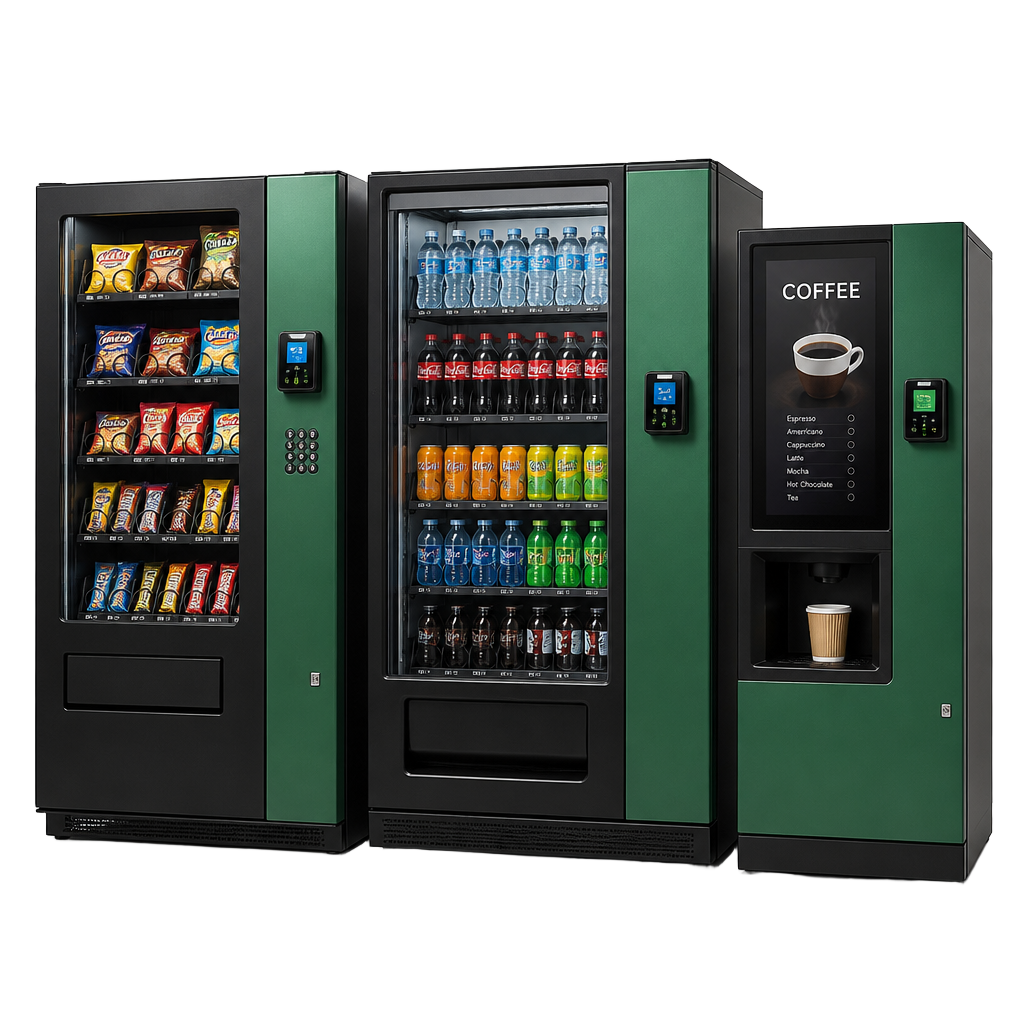
Get vending machines on the road now and own them at the end of the term. New and established operators, Australia-wide — no financials required in many cases.
0% down options
Instant approval for qualified fleets
Ready to price your machine?
Tell us the equipment and your situation once. We match you to lenders who may fit — it takes about five minutes and there's no obligation.
Keep reading
Who wrote and checked this page
David Barnes
Founder, Vending Finance
Has worked with Australian vending operators and equipment funders for years, matching operators to lenders who fit their situation. Writes and checks every guide on this site against the regulator, ATO and ABS pages cited below.
- Every figure is either an indicative market range we label as such, or traceable to a primary source listed below. We are a referral service, not a lender or broker, and we never give tax advice.
- Sources and figures on this page last checked August 2026. Spotted something out of date? Call 0412 025 552.
Sources & further reading
Every figure and rule on this page can be checked against a primary source. Links open the publisher's own page so you can verify it yourself.
- Australian Bureau of Statistics — Counts of Australian Businesses, including Entries and Exits
The size and survival profile of small businesses in Australia. Checked August 2026.
- ASIC Moneysmart — Moneysmart
Independent guidance on comparing loans and understanding total cost. Checked August 2026.
- Australian Business Register — Applying for an ABN
ABN entitlement and how long an ABN has been active. Checked August 2026.
- Australian Financial Security Authority — Personal Property Securities Register
Checking whether second-hand equipment or a vending route carries an existing security interest. Checked August 2026.
Secure yourRent to Own
Get vending machines on the road now and own them at the end of the term. New and established operators, Australia-wide — no financials required in many cases.
0% down options
Instant approval for qualified fleets